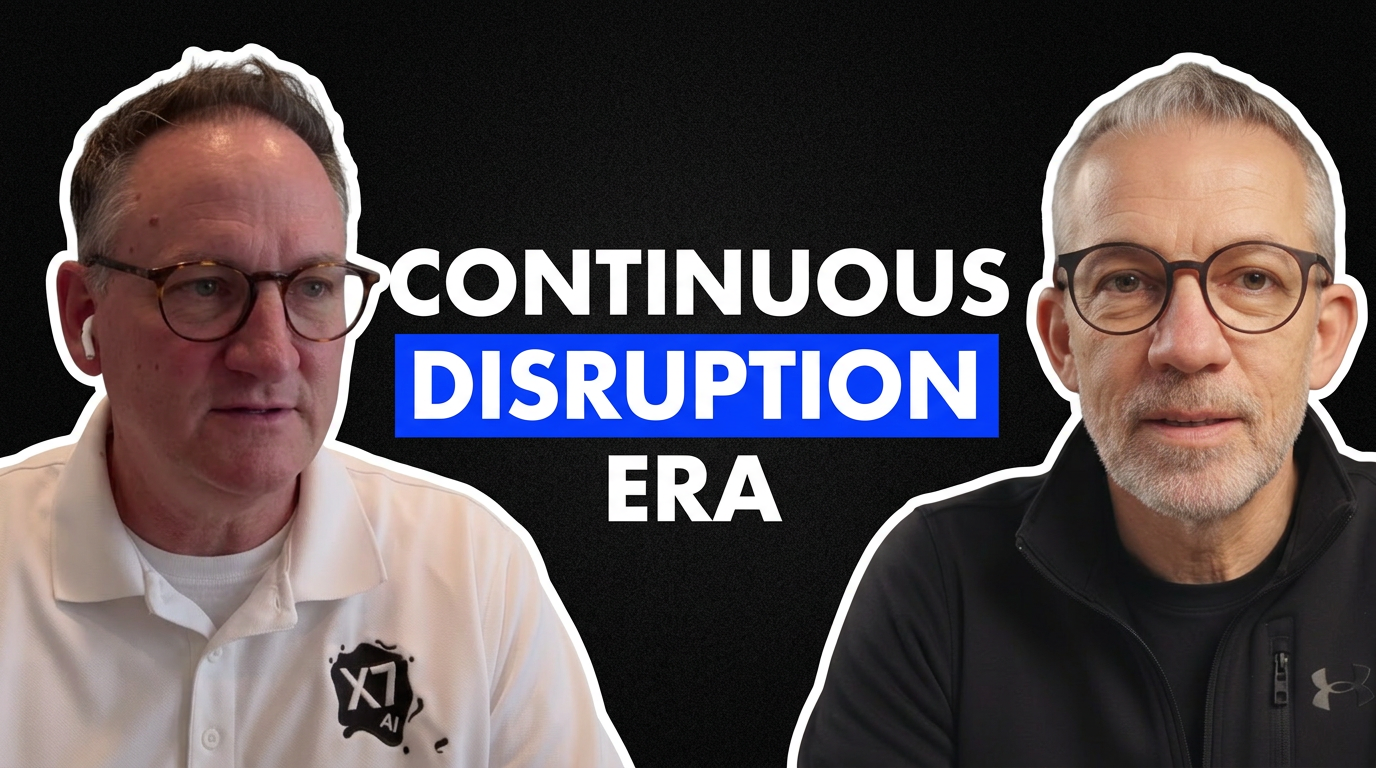
Shocking! The LIE Everyone STILL Believes
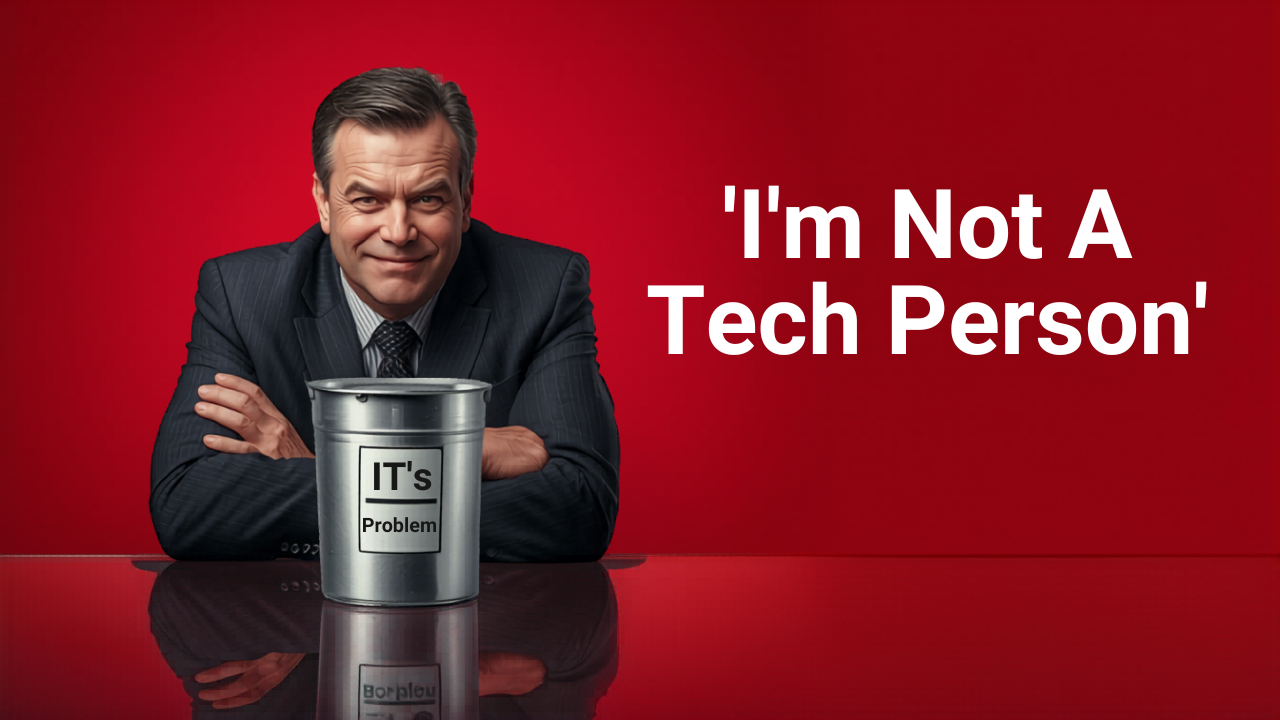
The supply chain industry has been telling itself a comforting lie: that supply chain continuous disruptions are temporary spikes — anomalies we ride out before returning to normal. Tom Brouillette, who recently published a white paper that’s been circulating across the industry, came on Supply Chain Unlocked to say what a lot of operators already feel in their gut — normal isn’t coming back. This ongoing state of supply chain continuous disruption is reshaping our approach to logistics and operations.
The Age of Continuous Disruption
Tom’s thesis is blunt: we’ve entered an age of continuous disruption. The supply chain most companies are running today wasn’t built for 2024 or even 2019 — it was designed for the stability of the 1980s and 90s. Open markets, limited tariffs, broad trade agreements, and a laser focus on efficiency. That era produced lean, just-in-time systems optimized to shave pennies off every transaction.
The problem? Those same systems are now brittle. The Suez Canal blockage, the Panama Canal backup, the Strait of Hormuz tensions — these aren’t once-in-a-generation events anymore. What used to be a 100-year flood is now happening roughly every 24 months. That barely gives you time to dig out from the last one before the next one hits.
The Monolith Is Sinking
Tom calls the legacy supply chain model “the monolith” — a system dependent on limited partners, limited data inputs, and a heavy layer of manual processes. When the Suez Canal was blocked, the biggest problem wasn’t the physical blockage itself. It was a near-total data blackout. Shippers didn’t know which containers were on which vessels or what the real-time status was. For roughly 96 hours, they were flying blind.
That’s the monolith’s fatal flaw. It can’t sense disruptions fast enough, and it can’t process the volume of data needed to respond. Add in the constant churn of people — tribal knowledge walking out the door, executives rotating, and acquisitions stacking fragmented ERP systems on top of each other — and you’ve got a system held together with, as Teddy put it, “duct tape and chicken wire.”
The Inertia Tax and Liquidity Trap
Two terms from Tom’s paper that every operator should understand: the inertia tax is the cost of delays in communication. Every hour you don’t know about a disruption is an hour you can’t react. The liquidity trap is the capital locked up in inventory you can’t move or sell — those 10,000 blue t-shirts sitting on a vessel with your money already committed.
The two are directly connected. If you extend your communication network and get alerts earlier, your inertia tax drops. And when you can identify which inventory actually needs “just in case” buffers versus which doesn’t, you free up capital that was previously trapped. Tom calls this “earn as you burn” — harvesting those savings and reinvesting them into the next improvement cycle.
Digitalization Is Speeding Up Broken Processes
Here’s the part that might sting: Tom argues that most “digital transformation” initiatives are actually just digital optimization — speeding up broken processes to do the wrong thing faster. Real transformation means redesigning the processes themselves, not just automating the existing ones.
The ghost systems are everywhere. That spreadsheet someone built on the floor because the ERP couldn’t do what they needed. Those workarounds that become tribal knowledge. Those manual calculations that nobody questions because “that’s how we’ve always done it.” These ghost systems don’t go away when you upgrade your ERP. They persist in the shadows — and they represent both a risk and an untapped opportunity.
What to Do in the Next 7 Days
Tom’s actionable recommendation: find your “rusty pipe” choke points — the legacy integration layers where cash is leaking. Start with expedited spend and premium freight charges. These are unplanned costs you incurred to meet schedules, and they should have their own line in your financials. Reduce those, and you’ve freed up capital to reinvest in building an anti-fragile supply chain.
The 100-year flood isn’t waiting another 100 years. It’s happening every two. The question isn’t whether your supply chain will face another disruption — it’s whether you’ll still be running a system built for a world that no longer exists.
This episode of Supply Chain Unlocked features Tom Brouillette discussing his white paper on the age of continuous disruption. Watch the full episode above or subscribe to the channel for more.