The VP Killed $4.8M in 60 Seconds: Supply Chain Human Inertia
A major retailer was about to save $400,000 a month. The deal was done. The CEO had signed off. The numbers were clean.
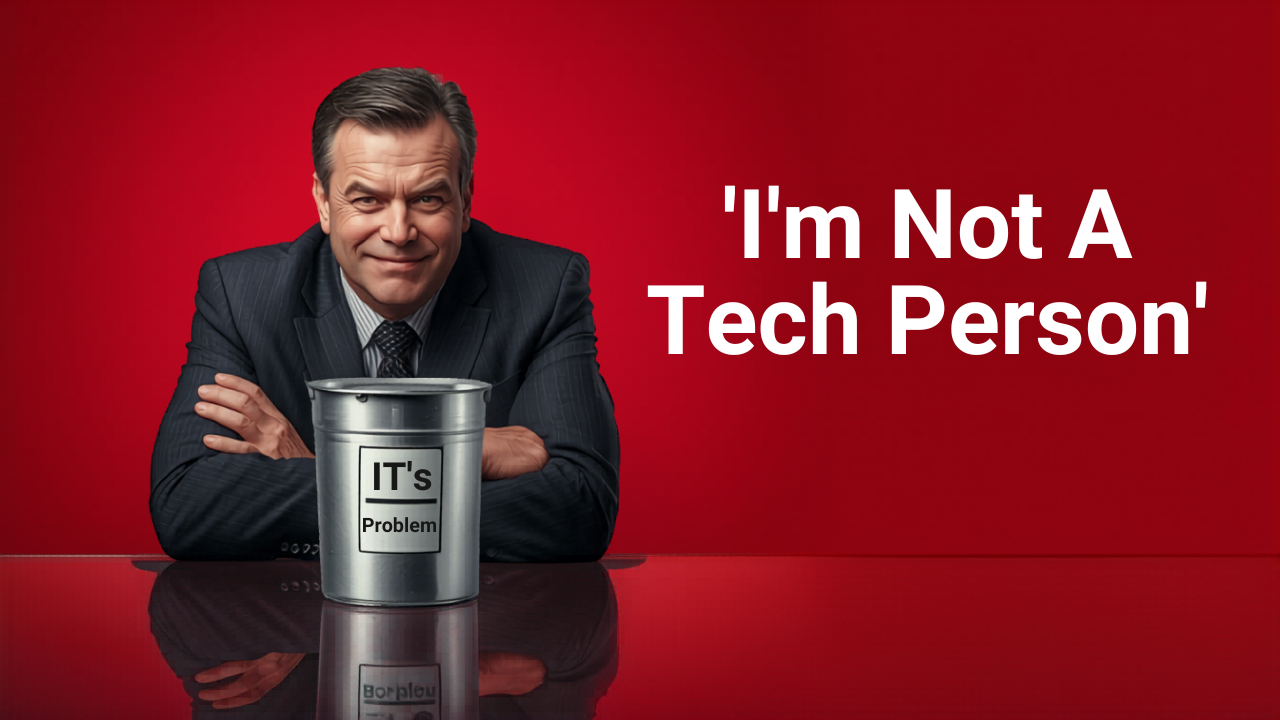
Then the VP of logistics spoke up. He’d had a 10-year relationship with the current supplier. The new vendor was a threat to that relationship. And within 60 seconds, the deal was dead.
$400,000 a month. $4.8 million a year. Gone — not because the math was wrong, not because the new vendor couldn’t deliver, but because of supply chain human inertia wearing a relationship management costume.
Tom Brouillette calls it the Tuesday Massacre. I call it the most expensive meeting in that company’s recent history.
The Stability Trap Has a Job Title
Supply chain human inertia isn’t random. It concentrates at specific points in the organizational hierarchy — and it almost always looks like loyalty, risk management, or institutional knowledge from the outside.
The VP in this story wasn’t incompetent. He’d built real relationships over a decade. He knew the supplier. He trusted their operation. And none of that mattered when the company needed $4.8 million back.
What Tom explains — and what I’ve watched play out in too many supply chain conversations — is that the VP’s decision wasn’t really about the supplier at all. It was about self-preservation. If the new vendor fails, he’s the one who recommended them. If the old vendor fails, he’s got a decade of documented relationship management to point to.
The stability trap is a rational response to an irrational incentive structure. When the cost of a bad recommendation falls entirely on the person making it, but the benefit of a good one gets distributed across the organization, people choose the familiar option. Every time. That’s supply chain human inertia operating exactly as designed.
The KPI Nobody Measures
Here’s the thing that bothers me most about this story: the $4.8 million never shows up anywhere.
It’s not a write-down. It’s not a failed vendor relationship. It’s not a budget overage. It’s a savings opportunity that didn’t happen, which means it exists nowhere in the financial reporting except as the status quo.
Supply chain human inertia is uniquely difficult to quantify because it doesn’t generate a loss — it prevents a gain. And prevention of gain doesn’t trigger a post-mortem. Nobody gets called into a meeting to explain why the company kept paying $400,000 a month more than they needed to.
Tom’s point is that this is where the biggest operational dollars actually live — not in the projects that failed, but in the decisions that were never made. The initiatives that died in committee. The vendors that never got a second meeting. The process changes that got “tabled for next quarter” for four consecutive quarters.
The fragility isn’t in the supply chain. It’s in the culture that runs it.
The Psychology of the Monolith
Tom walks through why large organizations are structurally predisposed to supply chain human inertia — and it’s not because the people in them are bad at their jobs.
In a legacy organization, the supply chain is often the most complex and least understood system in the building. That complexity becomes a shield. If something goes wrong with the existing supplier, the accountability is diffuse. The supplier failed. The market shifted. Nobody saw it coming.
If you swap in a new vendor and something goes wrong, you’re the person who made that call. The accountability is yours and yours alone.
The rational move — from a career preservation standpoint — is to never make the call. Keep the existing supplier. Keep the existing process. Collect your performance review.
The organizational cost is $4.8 million a year.
This isn’t unique to supply chain. But supply chain is where it hits hardest, because the decisions are high-stakes, the relationships are long-term, and the alternative options are easy to dismiss as risky.
Playing It Safe Is the Risky Choice
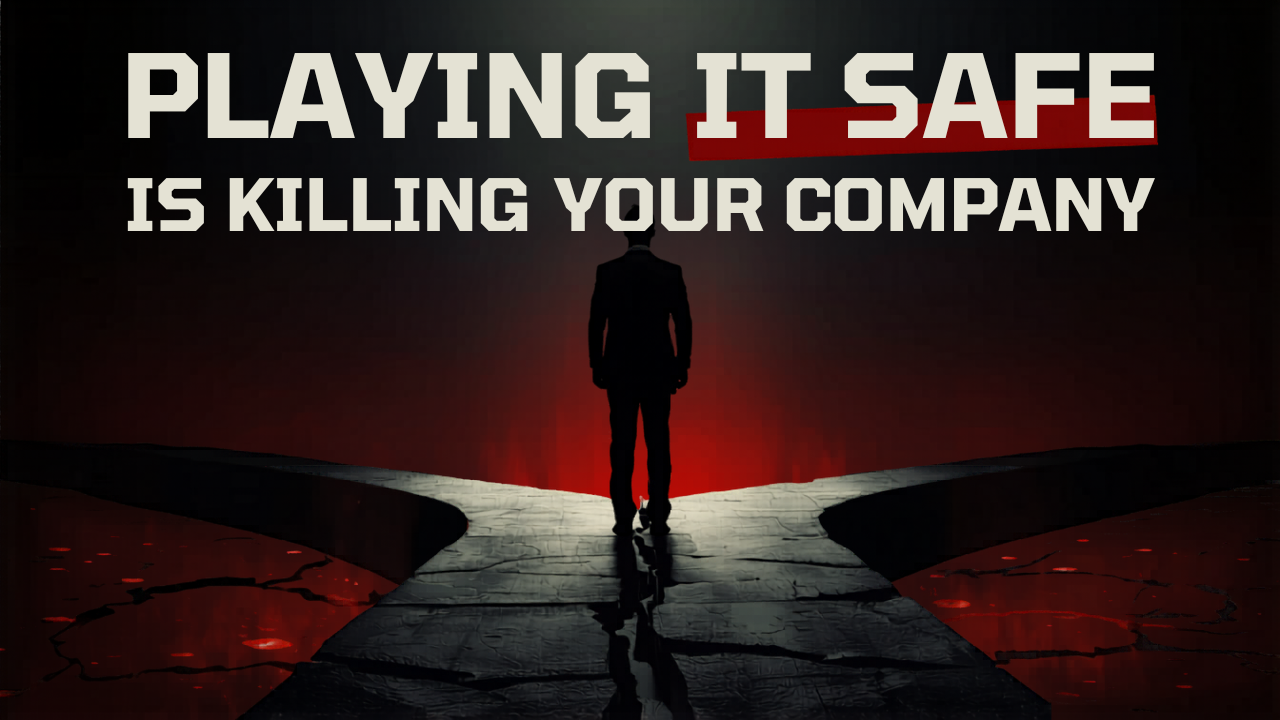
The part of this conversation that Tom kept coming back to — and the line that ended up on the thumbnail — is that playing it safe is killing your company.
Not metaphorically. Literally. In an environment where tariffs shift weekly, where disruptions are now a baseline condition and not an exception, where your competitors are modernizing their supplier networks — choosing stability over optimization is a strategic bet. And it’s a bet with terrible odds.
Supply chain human inertia tells you that the known risk is manageable and the unknown risk isn’t. But the known risk compounds year over year, quietly, without a Tuesday Massacre to mark the moment it stopped being acceptable.
The VP killed $4.8M in 60 seconds. The VP’s manager let him do it, because the culture rewarded that kind of caution. And the organization will probably lose $4.8M next year for the same reason, because nothing about the decision-making culture changed.
That’s what supply chain human inertia actually costs. Not a bad quarter. A permanently elevated cost structure with no mechanism to fix it.
Watch the Full Episode
Tom Brouillette and I go through the full Tuesday Massacre story — what happened, why it keeps happening, and what it actually takes to build a supply chain culture that can make a hard call.
The VP Killed $4.8M in 60 Seconds
Supply Chain Unlocked is a show about the real decisions, real failures, and real results behind enterprise operations and technology. No hype. No vanity. Just what actually breaks in execution — and how to fix it.